
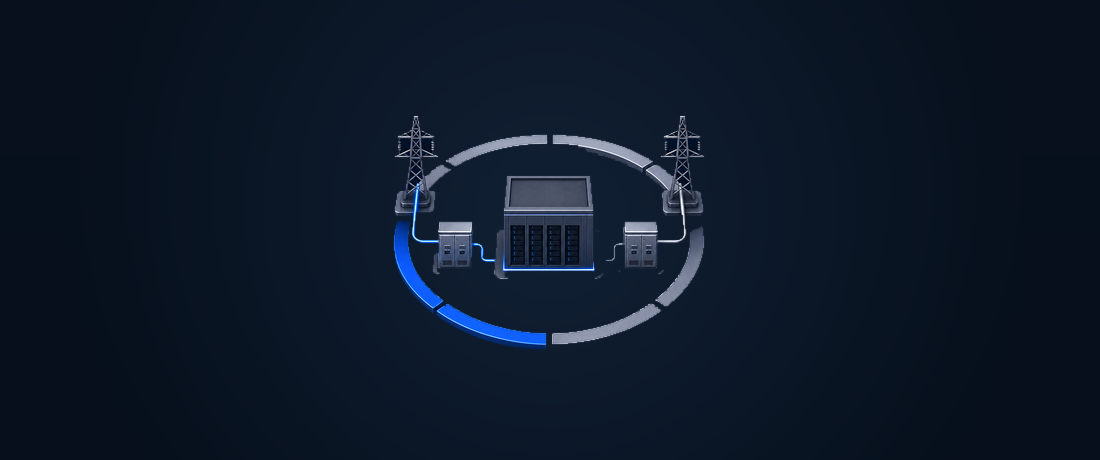
Operator confidence
Data center operators need confidence that power can support uptime expectations and expansion planning.
We focus on reliable, scalable power for modern data center, industrial, cloud, AI and colocation operations in Nigeria and the wider region.
Connectivity growth, enterprise cloud adoption, financial technology, AI workloads, and local data requirements can increase the need for domestic and regional compute capacity.
Data center operators need confidence that power can support uptime expectations and expansion planning.

Power arrangements influence project risk, lender confidence, customer confidence, and long-term operating economics.
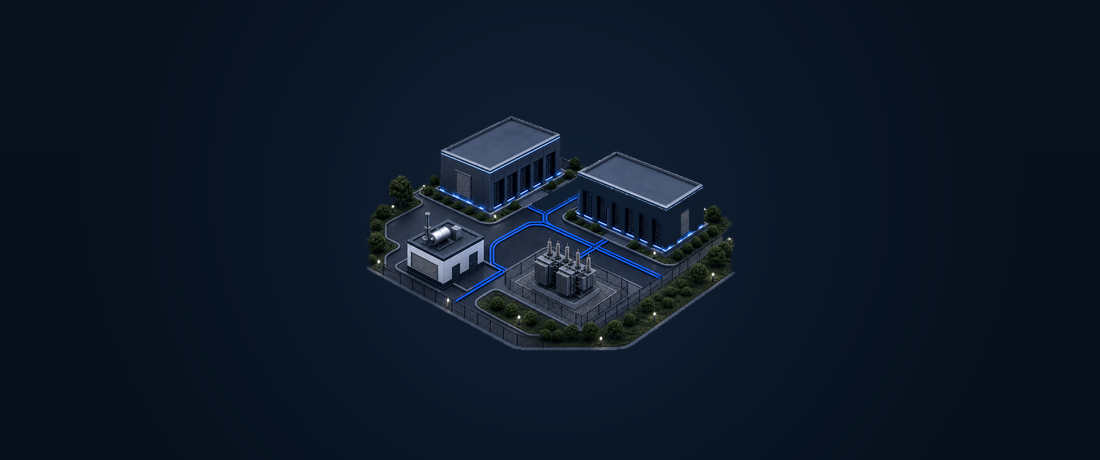
A credible powered platform can support Nigeria’s role in West Africa digital infrastructure growth.
To operators: We help shape power partnerships around the requirements of high-availability digital infrastructure.
To investors: Priorities include clear participant roles, offtake logic, commercial structure, and risk allocation.
To government and regulators: Responsible infrastructure development can support digital economy capacity, employment, resilience, and regional competitiveness.
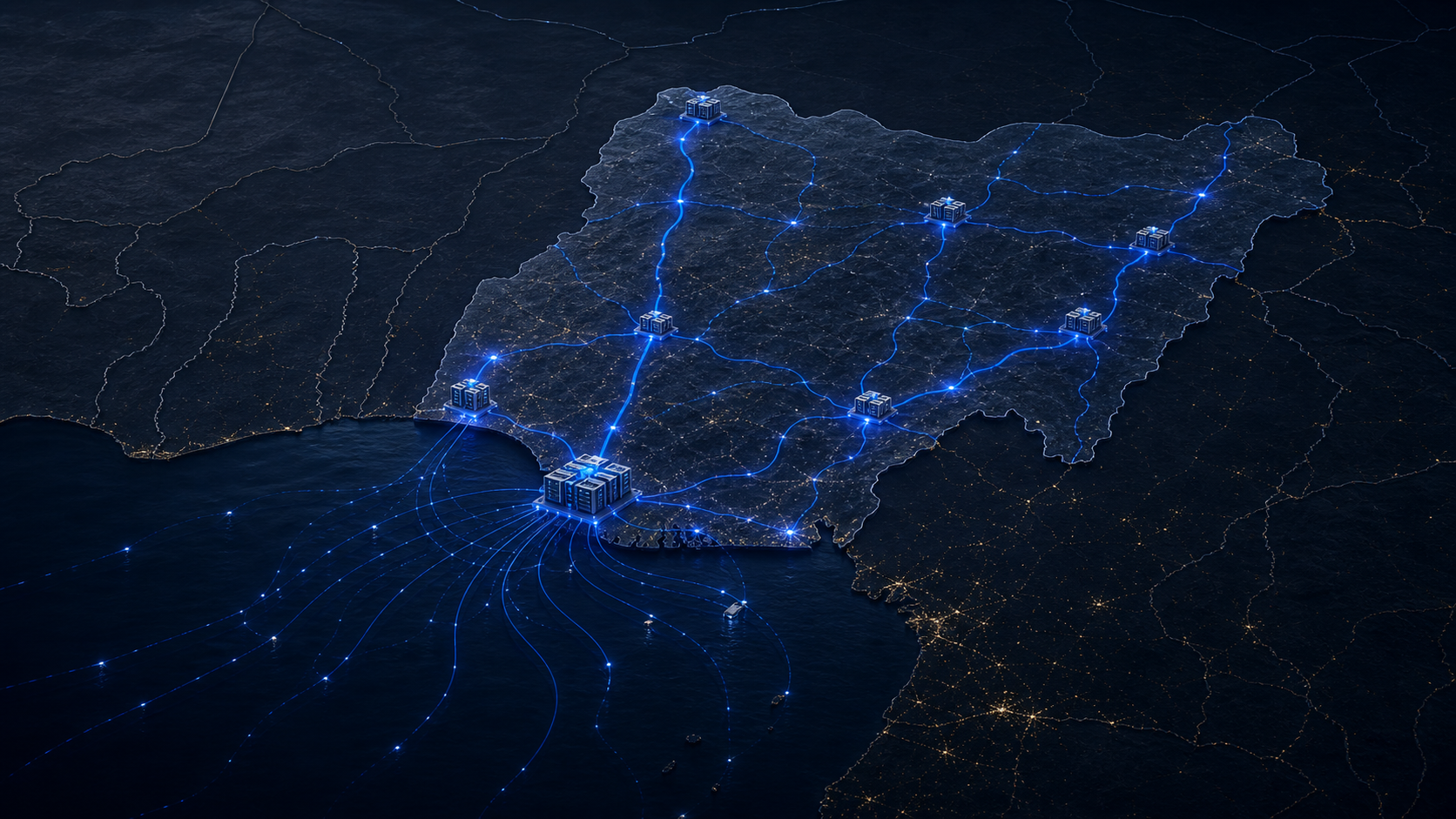
Nigeria’s data center market is shaped by cloud adoption, data localization, subsea cable capacity, Lagos concentration, and persistent power constraints. This context supports the market rationale for disciplined power and infrastructure development.
Operators are increasingly presenting Lagos facilities as cloud, AI, and hyperscale-ready infrastructure.
Equiano, 2Africa, and other connectivity assets strengthen Lagos as a West Africa digital gateway.
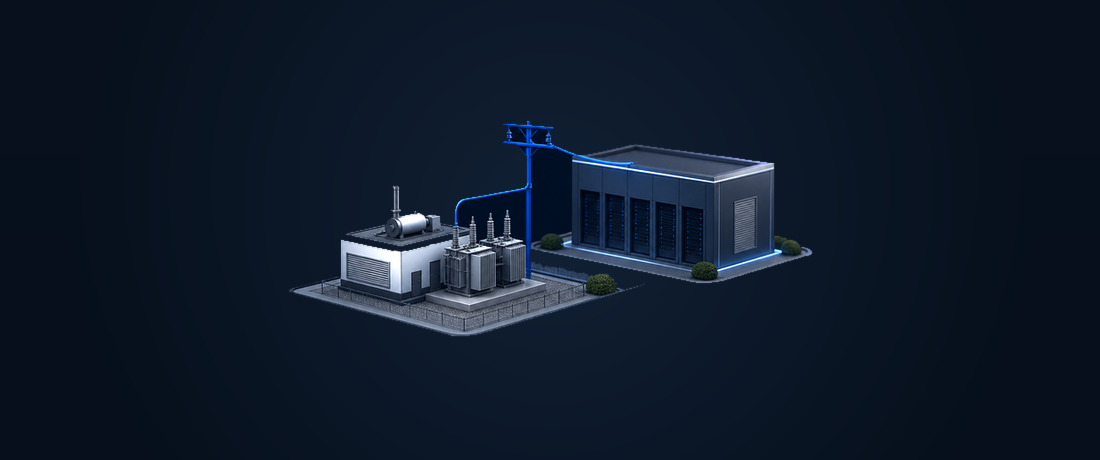
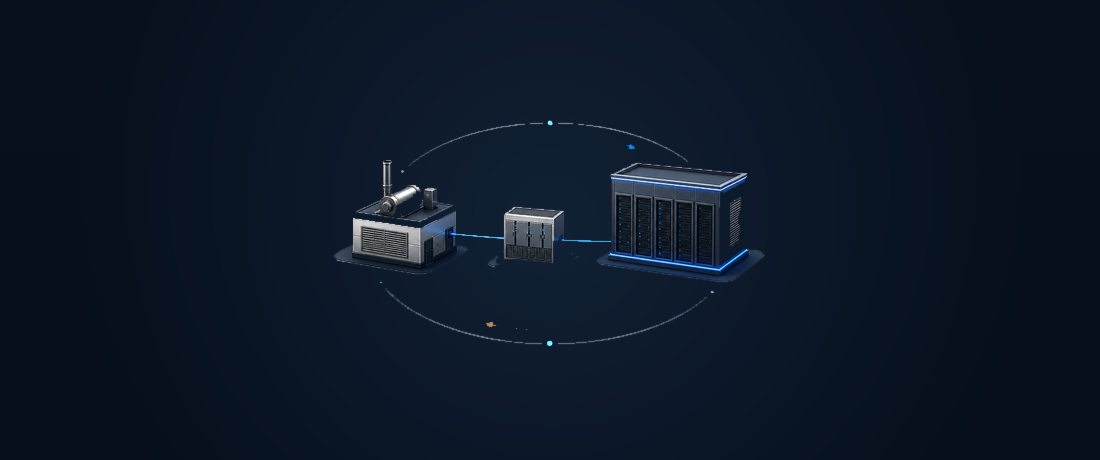
Grid reliability and diesel dependency remain central issues, making credible captive-power planning commercially relevant.